Home-Buying Costs That New Buyers Always Underestimate in Ontario
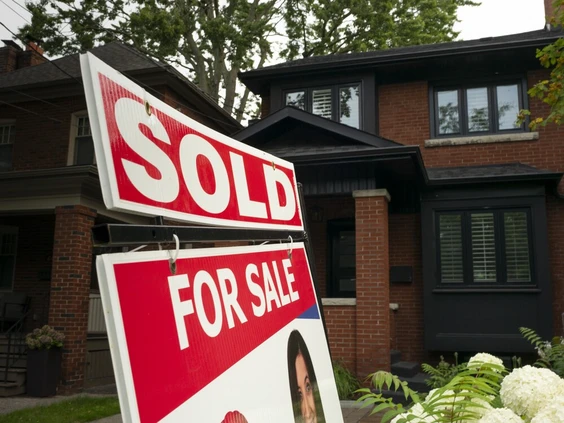
The home price is only the beginning. Here are the costs that can surprise first-time buyers in Barrie, Angus, Simcoe County and the GTA.
Buying your first home is exciting—but many buyers make the same mistake: they focus almost entirely on the purchase price and down payment.
Then closing day arrives.
Suddenly there are legal fees, land transfer tax, title insurance, adjustments, inspections, appraisal costs, moving expenses and potentially much more.
And that can turn a carefully planned $700,000 purchase into a much bigger financial commitment.
The good news? Most of these costs can be estimated before you make an offer.
Here are the home-buying expenses new buyers should understand in 2026.
1. Land Transfer Tax: The Big One Buyers Forget
Ontario charges Land Transfer Tax when you purchase a home.
For eligible first-time buyers, Ontario provides a refund of up to $4,000. The maximum refund means no provincial land transfer tax is payable on the first $368,000 of an eligible purchase.
For example, on a $700,000 resale home in Ontario, the provincial land transfer tax before any first-time-buyer refund would be approximately $10,475.
An eligible first-time buyer could reduce that by up to $4,000.
Potential tax after maximum refund: approximately $6,475.
That's a cost many buyers don't have sitting in their budget.
And remember: Toronto has an additional municipal land transfer tax, which makes the calculation different from Barrie or Angus.
2. Legal Fees & Title Insurance
You need a real estate lawyer to complete the transaction.
Your legal bill can include:
- Legal services
- Title search
- Title insurance
- Registration costs
- Mortgage-related documentation
- Disbursements
- Tax certificates and other searches
The exact amount varies by transaction and lawyer, so don't simply budget based on what a friend paid five years ago.
Local tip: Ask your lawyer for an estimate before you firm up your purchase, not the week before closing.
3. Home Inspection
A home inspection isn't mandatory for every purchase—but for many resale properties, it can be one of the smartest expenses you make.
Depending on the property and inspection scope, buyers may spend several hundred dollars.
In Barrie, Angus and surrounding Simcoe County communities, buyers can encounter everything from newer subdivisions to older homes, rural properties and houses with additions or finished basements.
Those properties can have very different inspection considerations.
A few hundred dollars spent investigating a property could potentially save you thousands in unexpected repairs.
4. Property Tax Adjustments
This one catches new buyers by surprise.
If the seller has already paid property taxes beyond the closing date, the buyer may have to reimburse the seller for the buyer's portion through the statement of adjustments.
So you could receive a closing statement showing an amount that wasn't part of your original down-payment calculation.
It isn't necessarily an extra tax—it is an adjustment between buyer and seller.
But you still need the cash available.
5. Utility & Other Closing Adjustments
Depending on the property, your statement of adjustments may also include items such as:
- Prepaid utilities
- Local improvement charges
- Condo fees
- Rental equipment adjustments
- Other property-specific expenses
This is why your lawyer's statement of adjustments is so important.
Don't just look at the purchase price.
Look at the cash required to close.
6. Mortgage Appraisal Costs
Some lenders may require an appraisal before approving the mortgage.
The purpose is to confirm that the property provides sufficient security for the amount being financed.
Sometimes the lender covers the cost.
Sometimes the buyer does.
And if you're buying a property where the lender has concerns about value, the appraisal can become particularly important.
Never assume the appraisal is automatically free. Ask your lender or mortgage broker.
7. Moving Costs
You bought the house.
Congratulations!
Now you have to actually move into it.
Depending on how much you own and how far you're moving, you may have:
- Movers
- Truck rental
- Packing materials
- Storage
- Cleaning
- New locks
- Delivery charges
- Furniture purchases
For a first-time buyer moving from a condo or rental apartment into a detached home, the furniture bill alone can become surprisingly large.
8. The "We Just Need a Few Things" Budget
This is probably one of the most underestimated costs.
You move in and suddenly discover:
"We need curtains."
Then:
"We need a lawn mower."
Then:
"The basement needs a TV."
Then:
"The garage needs shelving."
And suddenly your $2,000 move-in budget becomes $8,000.
Create a post-closing reserve fund before you buy.
Ideally, don't spend every dollar of your savings on the down payment.
9. Home Insurance
Your lender will generally require proof of property insurance before closing.
And insurance isn't just a one-time closing expense.
You need to budget for ongoing premiums.
For buyers in Barrie, Angus and Simcoe County, insurance considerations can vary depending on the property, age, location, heating system, water-related risks and other characteristics.
Get an insurance quote before your financing and closing plans are finalized.
10. Rural & Property-Specific Costs
This is especially important around Angus, Essa and parts of Simcoe County.
A property that isn't connected to municipal services may have additional considerations.
Depending on the property, buyers may need to investigate:
- Well systems
- Septic systems
- Propane
- Oil heating
- Private roads
- Water testing
- Septic inspections
- Larger lots and related maintenance
A home that looks like a bargain compared with a city property may have different ongoing ownership costs.
The cheapest house isn't always the cheapest house to own.
What Does This Mean for a $700,000 Home?
Let's use a simplified example.
Imagine you're purchasing a $700,000 resale home in Barrie or Angus.
Your budget could potentially include:
| Expense | Possible Budget |
|---|---|
| Down payment | Depends on financing |
| Land Transfer Tax | ~$10,475 before eligible FTHB refund |
| Legal + title insurance | Varies |
| Home inspection | Several hundred dollars |
| Appraisal | Potentially several hundred dollars |
| Insurance | Varies |
| Moving | Hundreds to several thousand |
| Utility/tax adjustments | Property-specific |
| Immediate repairs/furnishings | Highly variable |
An eligible first-time buyer could receive up to $4,000 back through Ontario's land transfer tax refund.
The key point is that there is no single universal "closing cost percentage" that works for every buyer.
Your actual cash requirement depends on the property, financing, taxes, first-time-buyer status and transaction details.
The 2026 Market Makes This Even More Important
Ontario's housing market has become more affordable compared with the peak years, but buyers still need to budget carefully.
In July 2026, Ontario recorded 16,276 residential MLS® sales, down 1.3% from July 2025.
The province's overall MLS® HPI benchmark price was $749,800, down 3.9% year-over-year.
Ontario also had 73,890 active listings at the end of July, with inventory at 4.5 months.
That means buyers may have more negotiating room in some markets—but that doesn't eliminate the costs associated with actually completing the purchase.
In fact, when negotiating a home price, buyers should think about total acquisition cost, not just the negotiated purchase price.
Barrie & Angus Buyers: Don't Forget the Local Difference
For buyers comparing Barrie, Angus, Essa, Wasaga Beach and the GTA, the purchase price can tell only part of the story.
A $700,000 property can have a very different ownership profile depending on:
- Property taxes
- Condo or maintenance fees
- Municipal services
- Lot size
- Home age
- Heating system
- Well/septic requirements
- Insurance
- Commuting costs
- Immediate repair requirements
This is particularly important for GTA buyers considering a move north toward Barrie and Simcoe County.
You may save on the purchase price—but you should calculate the complete monthly and upfront cost of ownership.
What About New Construction?
New homes can introduce another layer of complexity because HST and new-home rebates can affect the final numbers.
Ontario's 2026 budget introduced an enhanced provincial New Housing Rebate for qualifying new homes, with the province proposing relief of up to $80,000 on eligible homes under the applicable rules and dates.
For eligible new-home purchases, the exact rebate depends on the agreement date, purchase price, occupancy/use and other eligibility requirements.
So if you're buying a new construction home in Barrie, Angus or elsewhere in Ontario, don't assume the advertised price tells you exactly what you'll need to bring to closing.
Ask for a detailed breakdown.
The Biggest First-Time Buyer Mistake
The biggest mistake isn't necessarily buying an expensive home.
It's buying a home that leaves no cash buffer after closing.
Imagine putting almost all your savings into the down payment and closing costs.
Then, two months later:
Furnace problem.
Or:
Plumbing leak.
Or:
Appliance replacement.
Or:
Unexpected repair.
That's when homeownership becomes financially stressful.
A smarter approach is to budget for:
Down payment + closing costs + moving costs + immediate repairs + emergency reserve.
The Bottom Line
The price on the MLS® listing is not your real cost of buying a home.
Before you make an offer, understand:
**Purchase Price
- Down Payment
- Land Transfer Tax
- Legal Fees
- Title Insurance
- Inspection
- Appraisal
- Tax/Utility Adjustments
- Insurance
- Moving Costs
- Immediate Repairs
= Your Real Home-Buying Budget**
For first-time buyers in Barrie, Angus, Essa and Simcoe County, knowing these numbers before making an offer can prevent a very unpleasant surprise on closing day.
Don't ask only, "Can I afford the house?"
Ask:
"Can I comfortably afford everything that comes with owning the house?"
That's the question that can save you thousands.
#FirstTimeHomeBuyer #HomeBuyingTips #HomeBuyingCosts #ClosingCosts #OntarioRealEstate #BarrieRealEstate #BarrieRealtor #AngusOntario #EssaOntario #SimcoeCountyRealEstate #BarrieHomes #OntarioHomeBuyer #RealEstateTips #CanadianRealEstate #FirstTimeBuyer