Why Are GTA and Barrie Real Estate Markets Still So Quiet Even Though Prices Are Down?
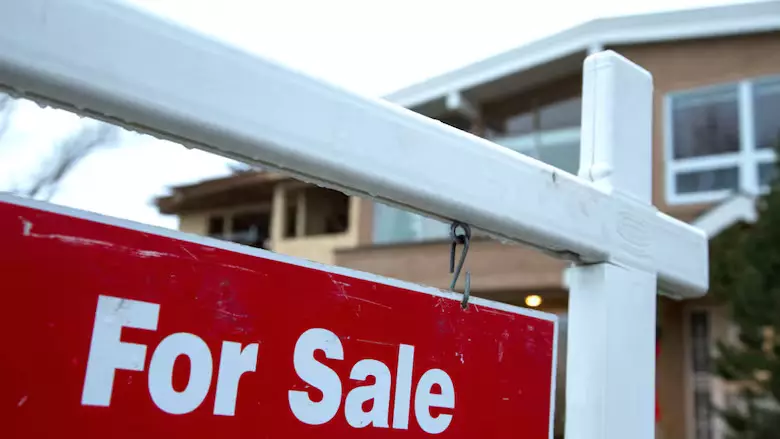
The Big Question: If Prices Are Down, Why Aren’t Buyers Rushing In?
You would think falling home prices would automatically bring buyers back into the market.
But that isn't happening — at least not at the pace many people expected.
Across the GTA and Barrie, buyers are still cautious, sellers are adjusting expectations, and many people are sitting on the sidelines waiting for one thing:
Confidence.
The 2026 market is turning into a classic case of “lower prices, but still low urgency.”
And there is an important distinction:
A home being cheaper than last year doesn't necessarily mean it is affordable enough — or that buyers feel confident enough — to purchase it today.
Let's look at what is really happening.
GTA Prices Are Down — But Sales Aren't Exploding
According to the Toronto Regional Real Estate Board's July 2026 data, the GTA recorded 5,995 home sales, down just 0.9% from July 2025.
At the same time, new listings dropped dramatically.
There were 14,484 new listings in July, down 17.8% year-over-year.
The GTA MLS® Home Price Index Composite benchmark was down 4.6% year-over-year, while the average selling price fell 4.5% to $1,003,956.
So we have an interesting combination:
Prices are down
New listings are down
Sales is balanced
That's not a booming buyer market.
It's a market where both buyers and sellers are becoming more cautious.
Barrie Is Showing the Same Cautious Behaviour
Barrie is particularly interesting because affordability is better than in many parts of the GTA — but buyers aren't suddenly flooding the market.
In July 2026, 191 homes sold in Barrie, with an average selling price of approximately $668,083. Across Simcoe County, sales increased 5.7% year-over-year, showing that the broader region is actually seeing some improvement in transaction activity.
Another July market dataset shows Barrie's median sold price around $699,900, with approximately 1,203 properties listed for sale. Detached homes had a median sold price around $716,000.
That tells us something important:
Barrie isn't dead. But it isn't hot either.
The market is selective.
Buyers are shopping.
They're just taking their time.
1. Lower Prices Don't Automatically Mean Affordable
This is probably the biggest misconception.
Imagine a home drops from $800,000 to $740,000.
That's a $60,000 price reduction.
Sounds great, right?
But the buyer still has to qualify for the mortgage, carry property taxes, insurance, utilities and maintenance — while dealing with the overall cost of living.
For many households, the problem isn't simply:
“Can I find a cheaper house?”
It's:
“Can I comfortably afford the entire monthly payment?”
That's a very different question.
2. Mortgage Rates Still Matter More Than a $20K–$50K Price Reduction
A buyer doesn't purchase a house using the sticker price alone.
They purchase it using monthly cash flow.
Mortgage rates, qualifying rules, property taxes and other carrying costs can make buyers extremely sensitive to borrowing costs.
And economic uncertainty is making people even more cautious.
TRREB itself noted that many potential buyers are waiting for greater confidence around the economy, tariffs, inflation and borrowing costs.
In other words:
Buyers aren't necessarily waiting for prices to crash.
Many are waiting to feel financially secure.
3. The “What If Prices Fall Further?” Problem
This is psychology.
A buyer sees a property listed at $750,000.
Last year, similar homes may have sold for considerably more.
The buyer thinks:
“This looks like a deal.”
Then another thought appears:
“But what if it's $700,000 six months from now?”
That second thought can stop the transaction.
This is one reason declining markets can become surprisingly quiet.
Buyers don't want to catch a falling knife.
Sellers don't want to sell at what they believe is the bottom.
So everyone waits.
4. Sellers Are Also Waiting
Here's the other side of the equation.
Many homeowners purchased their property when prices were much higher.
They may have:
- Bought near the peak
- Locked into a mortgage at a different rate
- Renovated the property
- Planned around a certain expected sale price
- Built their financial plans around significant home equity
If today's market doesn't meet their expectations, some simply decide:
“We'll wait.”
That reduces the number of attractive new listings coming onto the market.
And that's exactly what we're seeing in the GTA.
New listings dropped 17.8% year-over-year in July, even while prices remained below last year's levels.
5. Buyers Have More Choices — So They're Negotiating Harder
The current market isn't necessarily about buying the first house you see.
Buyers have become much more strategic.
They're asking:
Can I negotiate?
How long has the property been listed?
Has the price already been reduced?
Is there a better property coming next month?
Does this house actually justify the asking price?
This behaviour can make the market feel slow even when buyers are actively searching.
6. Barrie Buyers Are Becoming More Selective
Barrie has a major advantage:
Relative affordability compared with much of the GTA.
But affordability alone doesn't guarantee a sale.
Today's Barrie buyer may compare:
Barrie vs. Innisfil
Barrie vs. Angus
Barrie vs. New Tecumseth
Barrie vs. Wasaga Beach
Barrie vs. staying in the GTA
They may also compare:
Detached vs. townhouse
Resale vs. new construction
Buying vs. renting
Move-in ready vs. renovation opportunity
That means sellers have to compete not only against neighbouring listings — but against the entire regional housing market.
7. Condo Buyers Are Especially Careful
The GTA condo market continues to be one of the areas under pressure.
Buyers aren't looking only at the purchase price anymore.
They're looking at:
- Maintenance fees
- Property taxes
- Insurance
- Reserve funds
- Special assessments
- Rental potential
- Future resale value
- Mortgage payments
A condo that appears “cheap” at $500,000 can become much less attractive when monthly carrying costs are added.
That's why headline price reductions don't always translate into immediate demand.
8. The Market Is Becoming More Balanced — Not Necessarily More Active
This is an important distinction.
A balanced market doesn't mean:
“Everyone is buying.”
It means buyers and sellers have more balanced negotiating power.
And the July GTA data actually suggests conditions have been tightening because listings fell much faster than sales.
TRREB reported that sales accounted for a larger share of available listings and warned that if this trend continues, prices could begin to stabilize.
That's a major signal for buyers who are waiting for another massive price drop.
The market may not cooperate.
9. The “Perfect Time to Buy” May Never Come
This is perhaps the most important lesson.
Some buyers are waiting for:
Lower prices + lower rates + more inventory + stronger economy + perfect job security.
The problem?
All five things may not happen at the same time.
Historically, markets often turn before the headlines become positive.
By the time everyone agrees:
“The market has recovered!”
prices may already have started moving.
That's why smart buyers should focus less on predicting the exact bottom and more on finding a property that makes financial sense.
GTA vs. Barrie: What Should Buyers Watch?
| Factor | GTA | Barrie |
|---|---|---|
| Price direction | Down YoY | More affordable than GTA |
| Buyer activity | Cautious | Cautious/selective |
| Inventory | New listings falling | Inventory still provides choice |
| Negotiating power | Still available | Property-specific |
| Affordability | Major challenge | Relative advantage |
| Best opportunities | Correctly priced homes | Well-priced detached/townhomes |
| Main risk | Affordability + uncertainty | Overpricing |
The biggest takeaway?
Don't judge the market only by average price.
Watch sales, new listings, inventory, days on market and price reductions together.
What Does This Mean for Buyers?
If you're a first-time buyer or move-up buyer, this market can actually create opportunities.
You may have:
More negotiating room
Especially when a property is overpriced or has been sitting on the market.
More time to inspect the property
You don't necessarily have to compete against multiple offers on every listing.
More choice
You can compare neighbourhoods, property types and prices.
Less pressure
You can make a decision based on your finances rather than pure FOMO.
But don't assume every seller will accept a huge discount.
The best properties can still attract competition.
What Does This Mean for Sellers?
This is where pricing strategy becomes critical.
In a slower market, overpricing can be expensive.
A seller might think:
“Let's start high and see what happens.”
But buyers have access to comparable sales and competing listings.
If your property is overpriced, buyers may simply move to the next house.
A properly priced home can attract attention quickly, while an overpriced home may sit, accumulate days on market and eventually require multiple price reductions.
The market isn't necessarily punishing sellers.
It's punishing unrealistic pricing.
What Could Happen Next?
The next major question is whether the GTA and Barrie markets transition from price declines to price stabilization.
July's GTA numbers provide an interesting clue.
Prices were still down year-over-year, but new listings fell much faster than sales.
If that continues through the fall, we could see:
Fewer listings -> More competition -> Less negotiating power ->Price stabilization
But if economic uncertainty increases and buyers remain cautious, activity could remain subdued.
That's why the next few months could be extremely important for both buyers and sellers.
The Bottom Line
The GTA and Barrie housing markets aren't quiet simply because people don't want homes.
They're quiet because people are waiting for confidence.
Prices are lower.
But borrowing costs, economic uncertainty, affordability concerns and fear of buying too early are keeping many buyers cautious.
At the same time, sellers are reluctant to list unless they believe they can achieve an acceptable price.
That's creating a strange 2026 market:
Prices are down.
Sales are not booming.
Listings are falling.
Buyers are watching.
Sellers are waiting.
And that creates opportunities for people who understand the numbers instead of simply following the headlines.
Thinking about buying or selling in Barrie, Angus or the GTA?
Don't ask only:
“Are prices going up or down?”
Ask:
“What is happening in my neighbourhood, my price range and my property type?”
Because in 2026, the local market matters more than the headline.
#BarrieRealEstate #BarrieRealtor #GTARealEstate #BarrieHomes #BarrieHousingMarket #SimcoeCountyRealEstate #TorontoRealEstate #OntarioRealEstate #RealEstate2026 #HomeBuyersCanada #FirstTimeHomeBuyer #GTAHousingMarket #CanadianRealEstate #HomeBuyingTips #RealEstateMarket