


Always Ready
to Help!!!
Kuntal Khasnobish
Sales Representative
RE/MAX Realty Services Inc., Brokerage

Is Your Home Ready for Canada's Extreme Weather? 13 Ways to Protect Your Investment!
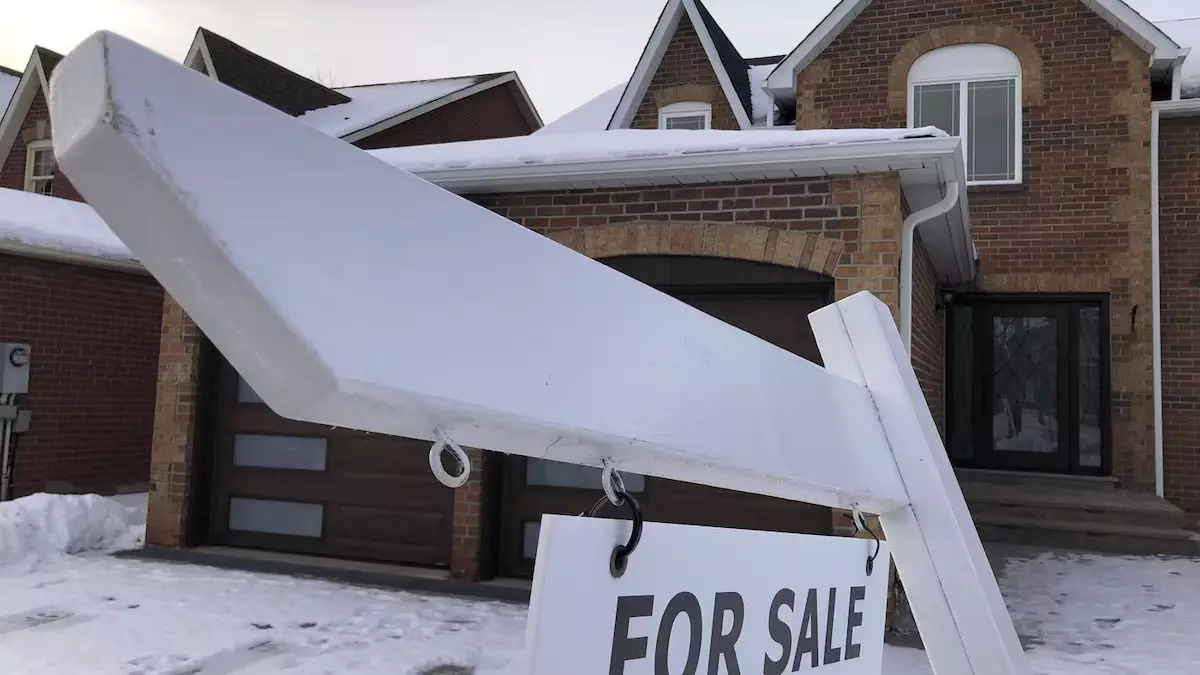
How to Protect Your Property Against Canadian Weather Conditions: A Complete Homeowner's Guide
Canadian weather can be unpredictable, and your home is constantly exposed to changing seasonal conditions. From freezing winters and heavy snowfall to spring flooding, summer heatwaves and severe storms, extreme weather can cause significant damage to your property.
For homeowners in Barrie, Angus, Simcoe County, the GTA and across Ontario, protecting a property is not simply about routine maintenance. It is about preserving your home's value, avoiding expensive repairs, reducing insurance risks and protecting your long-term real estate investment.
Whether you own a detached house, townhouse, condominium or rental property, proper weatherproofing can make a significant difference.
The question is not whether Canadian weather will test your property. The question is whether your property is ready for it.
Let's explore 13 practical ways to protect your home against Canadian weather conditions.
1. Understand the Biggest Weather Risks to Canadian Homes
Canadian homes experience dramatic seasonal temperature changes. Depending on where you live, your property may face:
-
Extreme winter temperatures.
-
Heavy snowfall and ice accumulation.
-
Ice dams and roof leaks.
-
Frozen and burst water pipes.
-
Spring snowmelt and basement flooding.
-
Heavy rainfall and foundation damage.
-
Summer heatwaves and humidity.
-
Strong winds, thunderstorms and falling trees.
-
Freeze-thaw cycles that damage driveways and exterior walls.
One of the biggest mistakes homeowners make is waiting until damage occurs before taking preventive action.
A proactive maintenance strategy can help reduce the likelihood of unexpected expenses.
2. Protect Your Roof Against Snow and Ice Damage
Your roof is your property's first line of defence against Canadian weather.
During winter, accumulated snow, ice and fluctuating temperatures can create serious problems.
What should homeowners do?
-
Inspect shingles for cracks, curling or missing sections.
-
Clean eavestroughs and downspouts before winter.
-
Ensure attic insulation and ventilation are adequate.
-
Check for signs of ice dams.
-
Inspect flashing around chimneys, vents and skylights.
-
Remove excessive snow when necessary using qualified professionals.
Ice dams can prevent melting snow from draining properly, allowing water to enter beneath roofing materials.
Real estate insight: An aging or poorly maintained roof can become a major concern during a home inspection. Keeping maintenance records and addressing problems early can help protect your property's resale value.
3. Prevent Frozen Pipes and Expensive Water Damage
Frozen pipes are among the most frustrating winter problems for Canadian homeowners.
When water freezes inside a pipe, it expands. This can cause pipes to crack or burst, potentially resulting in thousands of dollars in water damage.
Practical prevention tips:
-
Insulate exposed pipes in basements, crawl spaces and garages.
-
Seal gaps around exterior walls where cold air enters.
-
Maintain adequate indoor temperatures when travelling.
-
Disconnect outdoor garden hoses.
-
Know where your main water shut-off valve is located.
-
Consider installing a water leak detection system with an automatic shut-off feature.
Investment property tip: Landlords should ensure tenants understand winter temperature requirements and know how to report plumbing problems immediately.
4. Protect Your Basement and Foundation Against Flooding
Basement flooding is one of the most expensive problems a homeowner can experience.
Heavy rainfall, rapid snowmelt, blocked drainage and groundwater pressure can all contribute to water infiltration.
Your basement protection checklist:
-
Keep eavestroughs and downspouts clear.
-
Direct downspouts away from the foundation.
-
Ensure the ground slopes away from the house.
-
Inspect foundation walls for cracks.
-
Test your sump pump regularly.
-
Consider a battery backup sump pump.
-
Install a backwater valve where appropriate.
-
Avoid storing valuable belongings directly on basement floors.
Basement waterproofing is not just about preventing water damage. It can also help protect your property's long-term value and marketability.
5. Protect Your Windows, Doors and Exterior Walls
Cold air infiltration can increase heating expenses and make your home uncomfortable.
Homeowners should regularly inspect:
-
Weatherstripping around doors.
-
Caulking around windows.
-
Exterior siding and brickwork.
-
Window seals and condensation between panes.
-
Exterior paint and exposed wood.
-
Garage door seals.
Replacing damaged weatherstripping and sealing gaps can improve comfort and help reduce energy consumption.
An energy-efficient home can also be more attractive to future buyers, particularly when heating costs are a concern.
6. Protect Your Driveway, Walkways and Landscaping
Canadian freeze-thaw cycles can damage concrete, asphalt, interlocking stones and landscaping.
Protect your outdoor areas by:
-
Repairing driveway cracks before winter.
-
Keeping walkways clear of snow and ice.
-
Using appropriate ice-melting products.
-
Trimming weak or overhanging tree branches.
-
Securing outdoor furniture before strong winds.
-
Checking fences and decks for structural damage.
Remember, falling branches and slippery walkways can also create liability concerns for homeowners.
7. Prepare Your Property for Heavy Rainfall and Severe Storms
Severe weather is not limited to winter.
Heavy rainfall, thunderstorms, strong winds and intense summer storms can damage roofs, windows, fences and outdoor structures.
Consider these preventive measures:
-
Secure patio furniture and outdoor equipment.
-
Inspect roof shingles and flashing.
-
Keep storm drains and drainage areas clear.
-
Check sump pumps before major rainfall.
-
Consider impact-resistant roofing and windows when replacement is due.
-
Keep emergency supplies and flashlights accessible.
Homeowners should also review their insurance policies to understand what types of water damage and storm damage are covered and what exclusions or limitations apply.
8. Review Your Home Insurance Before Disaster Strikes
Many homeowners assume their insurance automatically covers every weather-related incident.
That assumption can be costly.
Standard home insurance policies may cover certain sudden and accidental water damage, but coverage for overland flooding, sewer backup and groundwater infiltration can vary.
Before the next major storm, ask your insurance provider:
-
Is overland flood coverage included?
-
Is sewer backup coverage included?
-
Are sump pump failures covered?
-
What are my water damage deductibles?
-
Are detached garages, sheds and fences covered?
-
Is additional living expense coverage included?
-
Are there exclusions related to maintenance or gradual damage?
Important: Insurance is your financial safety net, but preventive maintenance is your first line of defence.
9. Canadian Weather Protection: What Should Homeowners Prioritize?
Here is a practical seasonal maintenance schedule for Canadian homeowners.
|
Season |
Essential maintenance |
|---|---|
|
Spring |
Inspect foundation, test sump pump, clean gutters |
|
Summer |
Inspect roof, siding, windows and decks |
|
Fall |
Clean eavestroughs, seal gaps, winterize outdoor taps |
|
Winter |
Monitor pipes, check attic ventilation, clear snow safely |
Following this schedule can help homeowners identify potential problems before they become expensive repairs.
10. The Numbers Every Canadian Homeowner Should Know
Extreme weather is becoming a major financial consideration for Canadian property owners.
Here are some important statistics:
$8.6 billion
Catastrophic weather claims in 2024
2024 was Canada's costliest year on record for extreme-weather catastrophic insurance claims.
$2.4 billion
Catastrophic weather claims in 2025
2025 remained among Canada's most expensive years for severe-weather insured losses.
45%
Increase in homeowners' home and mortgage insurance prices
December 2019 to December 2025, according to Statistics Canada.
$9 billion
Flood insurance claims over 10 years
Statistics Canada reports that nearly half of this amount was paid in 2024.
Sources: Statistics Canada and the Insurance Bureau of Canada.
Statistics Canada+2These figures highlight why property maintenance, appropriate insurance and weather-resistant upgrades should be part of every homeowner's financial planning.
11. Local Insights: Protecting Homes in Barrie, Angus and Simcoe County
Homeowners in Barrie, Angus, Essa Township and surrounding Simcoe County communities should pay particular attention to several weather-related risks.
Barrie
-
Heavy winter snowfall can put additional stress on roofs and eavestroughs.
-
Freeze-thaw cycles can damage driveways, exterior masonry and foundation surfaces.
-
Heavy rainfall and spring snowmelt make drainage and sump pump maintenance important.
-
Properties near waterways should be assessed for location-specific flood exposure.
Angus and Essa Township
-
Rural and suburban properties may have different drainage requirements.
-
Homes with private wells and septic systems need additional attention during flooding.
-
Properties with larger lots should have proper grading and drainage around foundations.
-
Detached garages, sheds, fences and mature trees need regular storm inspections.
Greater Toronto Area
-
Basement flooding and sewer backup deserve particular attention.
-
Older homes may require upgrades to drainage, foundation waterproofing and plumbing.
-
Flat roofs and aging exterior materials should be inspected regularly.
Wasaga Beach and surrounding areas
-
Properties near Georgian Bay should consider wind exposure and localized flood risks.
-
Roof shingles, exterior siding, decks and fences should be checked after severe storms.
-
Waterfront and low-lying properties should receive careful flood-risk assessments.
A useful Ontario flood-prevention recommendation: The provincial government recommends extending downspouts at least 2 metres away from the home, clearing gutters and storm drains, and moving snow 1 to 1.5 metres away from the foundation.
OntarioOne important point: weather risks vary from street to street. Before buying a property, investigate its flood exposure, drainage history, insurance availability and previous water damage rather than relying only on the municipality or neighbourhood name.
Useful resources:
12. Buying a Home? Make Weather Protection Part of Your Due Diligence
Weather protection should not begin after you receive your house keys.
If you are purchasing a resale or newly built home, consider these questions before making your final decision:
-
Has the basement ever experienced flooding?
-
Is there a functioning sump pump?
-
Is there a battery backup?
-
How old is the roof?
-
Are the eavestroughs and downspouts properly installed?
-
Is the grading directing water away from the foundation?
-
Are there visible foundation cracks?
-
Is the property located in a flood-risk area?
-
Can you obtain suitable home insurance at a reasonable cost?
-
Are there maintenance records for major exterior components?
For buyers in Ontario, a professional home inspection and appropriate insurance review can help identify potential risks before closing.
Remember: A beautiful home with poor drainage, an aging roof or inadequate insulation can become an expensive investment.
13. Final Thoughts: Protect Your Home Before the Next Storm
Your home is probably one of your largest financial investments. Protecting it against Canadian weather should be treated as an ongoing responsibility, not an occasional expense.
A few preventive measures today can potentially save thousands of dollars in repairs tomorrow.
Whether you are a first-time homebuyer, an existing homeowner, a landlord or a real estate investor, remember these five priorities:
-
Protect your roof.
-
Prevent water damage.
-
Insulate exposed plumbing.
-
Maintain proper drainage.
-
Review your home insurance coverage.
The best time to weatherproof your home is before the weather tests it.
Disclaimer: This article provides general home maintenance and real estate education, not professional engineering, roofing, plumbing or insurance advice. Consult qualified professionals for property-specific assessments.
#CanadianRealEstate #ProtectYourHome #HomeMaintenanceTips #CanadianWinter #Weatherproofing #HomeownershipCanada #PropertyProtection #BasementFlooding #WinterHomePreparation #BarrieRealEstate #AngusOntario #SimcoeCountyRealEstate #OntarioHomeowners #RealEstateTipsCanada #HomeBuyingTips