

Always Ready
to Help!!!
Kuntal Khasnobish
Sales Representative
RE/MAX Realty Services Inc., Brokerage

Ontario Estate Sales: Hidden Value with Added Risks Every Home Buyer Should Know
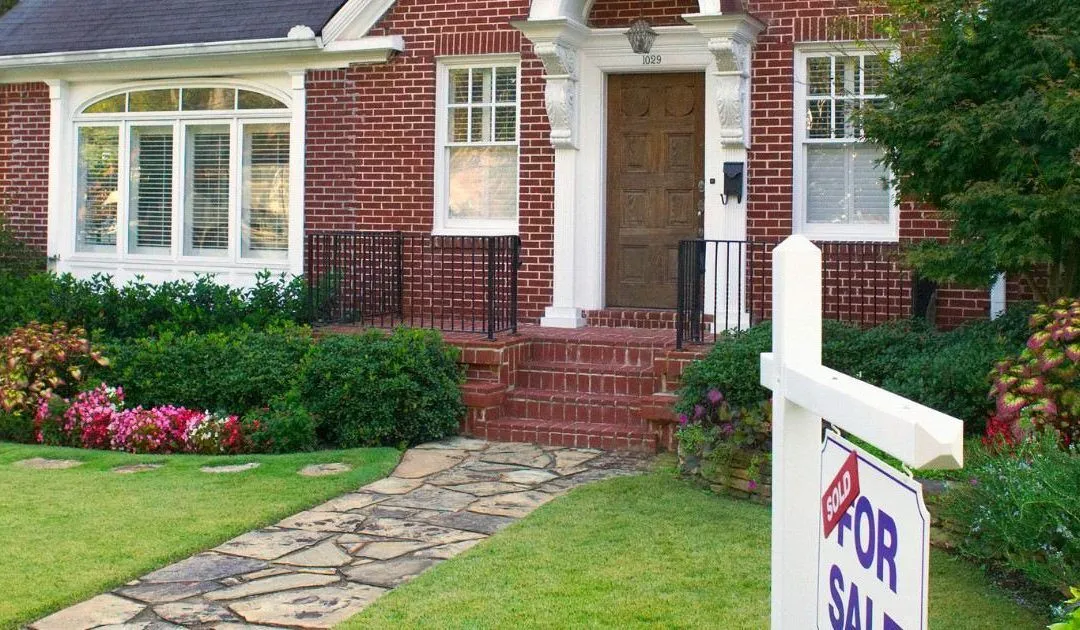
Ontario Estate Sales: Value with Added Risks
Could an Ontario estate sale be one of the best buying opportunities in today's real estate market—or one of the riskiest?
When buyers see the words “Estate Sale” on a property listing, many immediately think:
- Discount!
- Motivated seller!
- Opportunity to negotiate!
Sometimes, that can be true.
But estate sales are not automatically bargains.
An estate property can offer buyers tremendous value, especially when the home needs updating or the estate wants to reduce ongoing carrying costs. At the same time, buyers may face challenges that don't exist in a typical resale transaction.
Probate delays. Unknown property history. “As-is” clauses. Repair surprises. Uncertain closing dates.
Before you rush to submit an offer, here's what you need to know.
Why Estate Properties Can Offer Value
When a homeowner passes away, their real estate may become part of their estate.
The person responsible for managing the estate is generally called the estate trustee.
Unlike a traditional homeowner, an estate trustee may not have personally lived in the property. Their goal may be to manage and eventually distribute the estate according to their legal responsibilities.
This can sometimes create opportunities for buyers.
Possible advantages include:
- Properties that need cosmetic updating
- Homes with older kitchens and bathrooms
- Sellers facing ongoing carrying costs
- Flexible buyers potentially being attractive where timing is uncertain
- Less emotional attachment to the property than in some traditional sales
However, an estate sale does not automatically mean a cheap house.
The property's value should still be compared against:
- Recent comparable sales
- Location
- Property condition
- Renovation requirements
- Current market competition
A buyer who sees an estate sale and automatically offers dramatically below market value could miss the property entirely.
The Biggest Risk: Probate and Closing Delays
One of the most important issues in an Ontario estate transaction is authority to sell.
Ontario explains that an estate trustee is the person with legal authority to manage or distribute an estate. Probate may be required depending on the assets and ownership structure involved, particularly where real property does not pass automatically to another owner by right of survivorship. Ontario
This creates a major question for buyers:
Does the seller currently have the legal authority to complete the transaction?
In some situations, a buyer may enter into an agreement where completion depends on probate or other estate-related requirements.
That means your planned closing date could become uncertain.
This can be especially difficult for:
- Buyers who must sell their current home
- Buyers with expiring mortgage commitments
- Families needing to move by a specific date
- Buyers ending a lease
- Buyers coordinating school or job relocations
Flexibility can be an advantage—but lack of flexibility can turn an estate purchase into a stressful transaction.
“As Is” Can Mean Added Risk
Estate properties are frequently sold with clauses limiting the seller's knowledge or representations about the home.
Why?
Because the estate trustee may never have lived there.
They may not know:
- When the roof was replaced
- Whether there were previous leaks
- The condition of plumbing behind walls
- Whether renovations were properly completed
- The history of electrical work
- Whether there were past basement water problems
This doesn't necessarily mean the property is defective.
But it means buyers should be extra careful.
A Home Inspection Becomes Even More Important
Before removing conditions, buyers should consider appropriate due diligence.
Depending on the property, this may include:
- Home inspection
- Title review
- Insurance investigation
- Review of permits where applicable
- Specialist inspections for major concerns
For example, an older Ontario property may require additional attention to:
- Roof condition
- Electrical systems
- Plumbing
- Foundation concerns
- Basement moisture
- Oil tanks or environmental issues
- Septic systems outside municipal servicing areas
The discount you negotiate can disappear quickly if you discover a $50,000 repair problem after closing.
The “Cheap House” Myth
One of the biggest misconceptions is:
“Estate sales always sell below market value.”
Not necessarily.
A well-maintained estate property in a desirable neighbourhood can attract intense competition.
In markets such as:
Toronto & GTA
Estate properties may attract investors, renovators and families because of limited land and redevelopment potential.
Barrie & Simcoe County
Older detached homes and properties with large lots can attract buyers looking for renovation, rental or multi-generational opportunities.
Hamilton & Niagara
Estate properties may appeal to first-time buyers, investors and renovators—but condition and neighbourhood differences can significantly affect value.
The real opportunity is often not simply buying below asking price.
It is buying a property where:
Purchase Price + Renovations + Carrying Costs < Comparable Market Value
That calculation matters much more than whether the listing says “Estate Sale.”
Ontario Probate and Estate Administration Tax: The Numbers
Ontario's Estate Administration Tax is generally connected to the value of an estate when an estate certificate is applied for and issued.
For applications under the current rules:
- No Estate Administration Tax is payable on the first $50,000
- Above $50,000, the tax is $15 for every $1,000 or part thereof of estate value
Ontario also notes that real estate included in the estate is generally valued based on its value at the date of death, with certain registered encumbrances potentially affecting the calculation. Ontario
Example:
For an estate valued at $1,000,000:
- First $50,000 = $0
- Remaining $950,000 × $15 per $1,000
- Estate Administration Tax = approximately $14,250
This tax is an estate issue—not simply an extra tax charged directly to a buyer—but estate costs and delays can influence the overall transaction and seller motivation.
Joint Ownership Can Change Everything
How the property was owned can dramatically affect what happens after death.
For example, where ownership is structured so that a surviving joint owner receives the deceased owner's interest by right of survivorship, the property may be treated differently from a property owned solely by the deceased or held as tenants in common.
That is why buyers should never assume that every property involving a deceased owner follows the same process.
One title structure can change the entire transaction.
A real estate lawyer should review the specific situation.
Local Insight: Where Buyers May Find Opportunity
In Ontario's more price-sensitive markets, estate sales can sometimes attract buyers who are willing to trade convenience for value.
A typical opportunity could look like this:
- Older but structurally solid home
- Original kitchen and bathrooms
- Established neighbourhood
- Lower purchase price than renovated comparables
- Renovation budget required
For a buyer with:
- Cash reserves
- Renovation experience
- Flexible possession timing
- Strong financing
- Professional inspection and legal support
…an estate property could create a meaningful opportunity.
But for a buyer with very little financial cushion, an estate property needing major repairs can become a dangerous purchase.
7 Things Every Ontario Buyer Should Check
1. Who Has Authority to Sell?
Confirm that the person signing the agreement has the necessary legal authority—or that the agreement properly addresses any outstanding estate requirements.
2. Is Probate Required?
Don't assume.
The ownership structure, estate assets and circumstances matter.
Ontario states that probate requirements depend on the estate and assets involved, and real property that does not pass by right of survivorship may require estate administration authority. Ontario
3. Is the Property Being Sold “As Is”?
Read the Agreement of Purchase and Sale carefully.
An “as-is” provision can significantly change the buyer's risk.
4. What Repairs Could Be Waiting?
Budget realistically.
A cheap purchase price can quickly become expensive if the property needs:
- A roof
- Windows
- Electrical upgrades
- Plumbing repairs
- Foundation work
- Water remediation
5. Are There Title Issues?
Your lawyer should conduct appropriate title searches and review registrations affecting the property.
6. Can You Handle a Delayed Closing?
This is critical.
Don't build your entire moving plan around a date that may depend on an unresolved estate process.
7. Are You Actually Getting a Deal?
Compare the property against recent sales—not just the asking price.
A property listed at $799,000 may appear cheaper than nearby homes listed at $900,000.
But if it needs $150,000 in renovations, the “bargain” may not be a bargain at all.
The Smart Buyer Strategy
The best estate-sale buyers are often prepared buyers.
Before making an offer:
Step 1: Get Pre-Approved
Know exactly what you can afford.
Step 2: Study Comparable Sales
Don't base your offer on asking price alone.
Step 3: Budget for Repairs
Always keep a contingency fund.
Step 4: Review the Agreement Carefully
Estate transactions may contain special provisions.
Step 5: Use Professional Advice
A qualified Ontario real estate lawyer can help review the legal issues surrounding the transaction.
Final Verdict: Opportunity or Trap?
Ontario estate sales can offer real value—but they also come with added uncertainty.
The biggest mistake buyers make is focusing only on the potential discount.
The smarter question is:
“What risks am I taking to get that discount?”
A successful estate purchase requires more than negotiating a low price.
It requires:
- Proper valuation
- Thorough due diligence
- Legal review
- Realistic renovation budgeting
- Flexibility around timing
For the right buyer, an estate property could become a fantastic home or investment.
For an unprepared buyer?
The hidden risks could cost far more than the initial savings.
Key Takeaway
Don't buy an estate property simply because it looks cheap. Buy it because you understand its value—and its risks.
Important Disclaimer
This article is for general informational and educational purposes only and does not constitute legal, tax, financial or real estate advice. Estate, probate and title issues can vary significantly depending on the circumstances. Buyers and sellers should obtain advice from qualified Ontario legal, tax and other appropriate professionals before entering into an estate-related real estate transaction.
#OntarioRealEstate #EstateSale #OntarioEstateSale #HomeBuyingTips #ProbateOntario #RealEstateTips #CanadianRealEstate #OntarioHomeBuyers #TorontoRealEstate #GTARealEstate #BarrieRealEstate #SimcoeCountyRealEstate #HamiltonRealEstate #NiagaraRealEstate #RealEstateInvesting