


Always Ready
to Help!!!
Kuntal Khasnobish
Sales Representative
RE/MAX Realty Services Inc., Brokerage

Will a Bank of Canada Rate Hike Drag Down Home Prices?
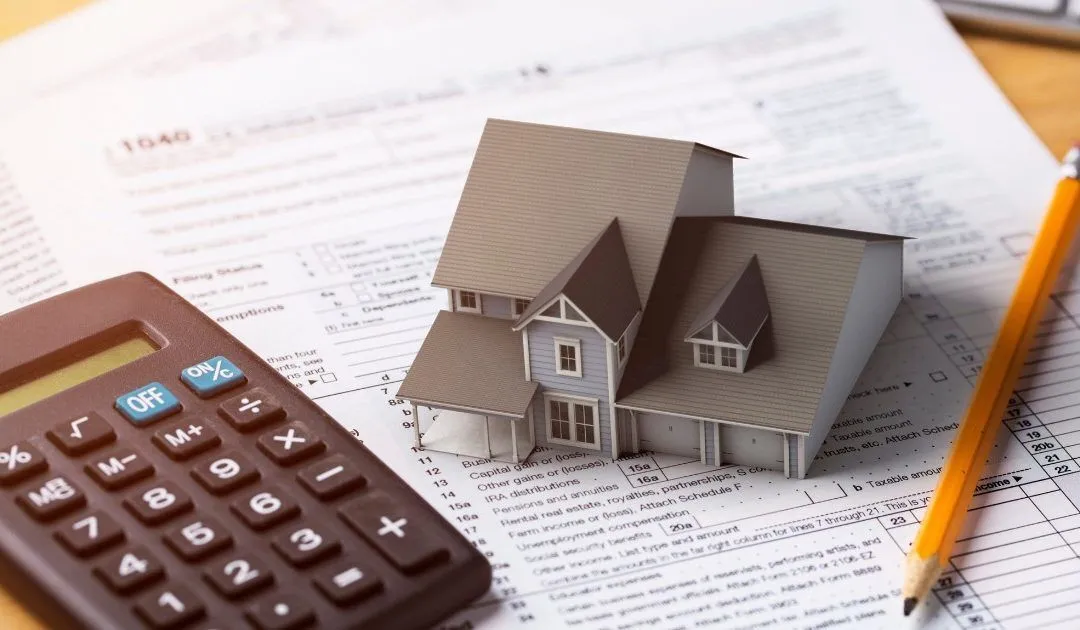
Will a Bank of Canada Rate Hike Drag Down Home Prices?
The Bank of Canada has raised interest rates again. Does that mean Canadian home prices are about to fall further?
That is the question thousands of homebuyers, sellers and homeowners are asking right now.
On October 28, 2026, the Bank of Canada raised its target for the overnight rate by 25 basis points—from 2.25% to 2.50%. The Bank pointed to persistent inflation pressures, elevated energy costs and concern that higher costs could spread more broadly through the economy.
For Canada's housing market, the timing is important.
Many markets were already dealing with affordability challenges, cautious buyers and economic uncertainty. A rate hike adds another question:
Will higher borrowing costs drag home prices down—or simply slow down the market?
The answer is more complicated than a simple “yes” or “no.”
Why Higher Interest Rates Can Put Pressure on Home Prices
Higher interest rates affect real estate primarily through affordability.
When borrowing costs increase:
-
Monthly mortgage payments can rise.
-
Variable-rate borrowers may face higher costs.
-
Some buyers qualify for smaller mortgages.
-
Buyers may reduce their maximum purchase price.
-
More people may delay buying.
-
Sellers may need to adjust unrealistic expectations.
The Bank of Canada's own 2026 research found that contractionary monetary policy can lead to a substantial and persistent decline in average house prices, largely because housing demand responds more strongly than housing supply.
But that does not mean every rate hike produces an immediate housing crash.
Real estate is local.
A condominium in downtown Toronto, a detached home in Barrie, a family home in Angus and an investment property in Niagara can respond very differently.
The Big Question: Will This Rate Hike Drag Home Prices Down?
My view: It could create additional downward pressure—but the impact will likely vary dramatically by market and property type.
The first effect of a rate hike is often psychological.
Buyers become more cautious.
Some buyers reduce their budget.
Others wait to see whether rates will rise again.
That can reduce competition and give buyers more negotiating power.
The Bank of Canada has also said that housing is expected to remain relatively weak in the near term, while Ontario's Fall Statement projected the province's average resale price to decline 2.4% in 2026 before recovering gradually in subsequent years.
That suggests the latest rate hike is hitting a housing market that was already adjusting.
GTA Real Estate: The Market Is Already Under Pressure
The GTA remains particularly sensitive to interest rates because of high home prices and heavy reliance on mortgage financing.
According to the September 2026 market baseline, GTA home sales totalled 5,040, down 9% year-over-year.
The average selling price was approximately $1,006,409, down 5.1% from a year earlier.
The composite benchmark price was approximately $917,600, down 4.7% year-over-year.
Those numbers show that affordability pressure existed before the latest Bank of Canada rate hike.
What could happen next?
A higher rate could place additional pressure on:
-
Condo apartments
-
Investor-owned properties
-
Homes with high monthly carrying costs
-
Properties priced above recent comparable sales
-
Buyers already close to their maximum qualification limit
However, falling new listings could help prevent a simple, straight-line decline in prices.
Prices depend on both demand and supply.
If buyers step back but sellers also decide not to list, the market may simply experience lower transaction volumes rather than a dramatic price collapse.
Barrie and Simcoe County: More Space, But Affordability Still Matters
Barrie and Simcoe County continue to attract buyers looking for:
-
More living space
-
Detached homes
-
Family-friendly communities
-
A lifestyle outside the GTA
-
Relative affordability compared with Toronto
But “more affordable than Toronto” does not mean immune to interest rates.
A buyer who previously qualified for a larger mortgage may now have to:
-
Increase their down payment
-
Purchase a smaller home
-
Look farther from the GTA
-
Consider a townhouse instead of a detached home
-
Delay their purchase
Local insight for Barrie and Angus
The biggest impact may not necessarily be an immediate crash in home prices.
Instead, we could see:
Longer selling periods.
More price negotiations.
Greater importance of realistic listing prices.
More conditional offers involving financing.
Homes that are properly priced and well presented may continue to attract buyers.
Homes priced according to the market of several months ago could sit longer.
For sellers in Barrie, Angus and Essa Township, the message is simple:
Yesterday's asking price may not be today's market value.
Niagara Region: Could Lower Prices Attract Buyers?
Niagara remains attractive to buyers searching for alternatives to the GTA.
Communities such as:
-
St. Catharines
-
Niagara Falls
-
Welland
-
Port Colborne
-
Grimsby
can offer different price points and lifestyles.
That relative affordability could help support demand.
However, higher borrowing costs can still affect investors and first-time buyers significantly.
Ontario's broader housing outlook remains cautious, with elevated affordability pressures and continued weakness in some condominium markets.
The Niagara opportunity—and risk
Lower purchase prices may attract buyers.
But higher financing costs can reduce the amount they can borrow.
That means affordability must be calculated using the total monthly cost, including:
-
Mortgage payments
-
Property taxes
-
Utilities
-
Insurance
-
Condo fees, where applicable
-
Maintenance costs
A lower purchase price does not automatically mean a property is affordable.
Could Home Prices Fall Even More?
Yes, they could.
But several factors will determine how much.
1. Will the Bank of Canada Raise Rates Again?
This may be the biggest question.
The Bank stated that further rate increases could be necessary, although it intends to proceed carefully.
If borrowing costs continue rising, housing demand could weaken further.
2. What Happens to Employment?
People need confidence to buy homes.
Even if mortgage rates stabilize, weak employment conditions or economic uncertainty can cause buyers to delay major purchases.
3. Will Sellers Continue to List Their Homes?
If inventory rises significantly while buyer demand falls, prices could face more pressure.
But if fewer homeowners list, limited supply could provide some support.
This is why:
Sales can fall sharply without home prices falling by the same percentage.
4. Which Property Types Are Most Vulnerable?
The market is unlikely to move as one.
Properties potentially more sensitive to higher borrowing costs include:
-
High-priced homes with large mortgages
-
Condos with high monthly fees
-
Investment properties with weak cash flow
-
Properties requiring significant renovations
-
Homes priced well above comparable sales
Well-priced family homes in desirable neighbourhoods may be more resilient.
A Rate Hike Does Not Automatically Mean a Housing Crash
This is important.
Many people see the headline:
“Bank of Canada raises rates!”
And immediately assume:
“Home prices will crash!”
Real estate rarely works that simply.
Higher rates can reduce demand.
But prices are also influenced by:
-
Housing supply
-
Population and household formation
-
Employment
-
Consumer confidence
-
Local affordability
-
New construction
-
Mortgage availability
-
Seller expectations
The Bank of Canada's research suggests tighter monetary policy generally puts downward pressure on home prices, but the magnitude and timing can vary significantly across markets.
What Should Buyers Do Now?
This could actually be a better negotiating environment for some buyers.
Instead of asking:
“Will prices hit the absolute bottom?”
Ask:
Can I comfortably afford this home?
Is the mortgage payment sustainable?
Do I have an emergency fund?
Am I buying for the long term?
Can I negotiate a better price today?
Trying to perfectly time the bottom of the market is extremely difficult.
A buyer who finds the right property at a strong price may benefit from negotiating opportunities that disappear when confidence returns.
What Should Sellers Do?
The biggest mistake in a higher-rate environment is ignoring current competition.
Before listing, sellers should study:
-
Recent comparable sales
-
Active competing listings
-
Properties that failed to sell
-
Days on market
-
Price reductions
-
Buyer demand for their specific property type
In today's market, pricing strategy matters more than ever.
An overpriced property can become stale quickly.
Once buyers see a listing sitting for weeks, they often wonder:
“What's wrong with it?”
The strongest strategy is to understand what buyers are actually willing to pay today.
The Bottom Line: Will the BoC Rate Hike Drag Home Prices?
It could—but probably not equally everywhere.
The latest 25-basis-point increase to a 2.50% policy rate adds another affordability challenge to a Canadian housing market that was already subdued.
My outlook:
GTA: Likely to remain sensitive to affordability and mortgage costs, particularly in higher-priced segments and condos.
Barrie & Simcoe County: Buyers may become more price-sensitive, but lifestyle demand and relative affordability could support certain property types.
Angus & Essa: Buyers may focus more heavily on monthly affordability, making accurate pricing increasingly important.
Niagara Region: Relative affordability could continue attracting buyers, but financing costs will limit some purchasing power.
The immediate impact may be slower decision-making and greater buyer caution before it becomes a major price decline.
The real story will depend on what happens next with:
Interest rates. Inflation. Employment. Housing supply. Buyer confidence.
One thing is clear:
The market is becoming increasingly selective.
For buyers, that can create negotiating opportunities.
For sellers, it means the right price matters more than ever.
Thinking about buying or selling in the GTA, Barrie, Angus, Simcoe County or Niagara Region? The best strategy is no longer based on national headlines—it is based on what is happening in your specific neighbourhood and price range.
Disclaimer: This article is for general educational purposes only and should not be considered mortgage, legal, financial or investment advice. Real estate markets and interest rates can change, and individual circumstances vary.
#BankOfCanada #InterestRatesCanada #CanadianRealEstate #OntarioRealEstate #HousingMarket2026 #GTARrealEstate #TorontoRealEstate #BarrieRealEstate #AngusOntario #SimcoeCountyRealEstate #NiagaraRealEstate #MortgageRatesCanada #HomePricesCanada #HomeBuyersCanada #RealEstateMarketUpdate