GTA Sellers Have Less Competition — But a Longer Wait: What Sellers Need to Know in 2026
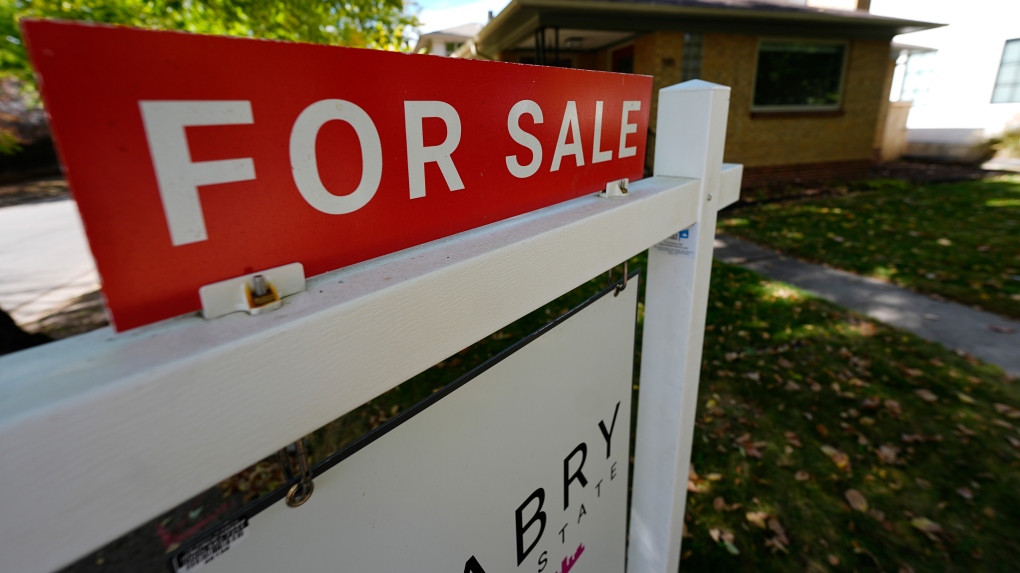
GTA Sellers Have Less Competition — But a Longer Wait
For years, sellers have worried about one thing:
“How many other homes am I competing against?”
But in today's GTA real estate market, there's another question that may be even more important:
“How long am I prepared to wait?”
The latest numbers show a fascinating shift.
GTA sellers are putting fewer homes on the market, which means there is less new competition. But buyers aren't rushing back into the market either.
The result?
Less competition doesn't necessarily mean a quick sale.
And that's one of the biggest things GTA homeowners need to understand heading into fall 2026.
The GTA Market Is Changing
According to the latest Toronto Regional Real Estate Board (TRREB) August 2026 data, the GTA recorded:
- 5,057 home sales, down 2.1% from August 2025
- 12,075 new listings, down a much larger 14.1%
- $993,410 average selling price, down 2.7% year-over-year
- MLS HPI Composite benchmark down 4.5%
- Approximately 24,482 active listings, according to current market reporting.
The most important number for sellers may actually be the 14.1% decline in new listings.
Why?
Because it means homeowners aren't flooding the market with new inventory.
That's good news for sellers.
But there is a catch.
Less Competition Doesn't Mean Buyers Are Rushing
Imagine there are 20 similar homes for sale in your neighbourhood.
You list your home today.
You are competing against 19 other sellers.
Now imagine only 12 comparable homes are listed.
Your competitive position has improved.
But if buyers are still hesitant because of:
- mortgage costs
- economic uncertainty
- job concerns
- affordability
- expectations of future price changes
you could still be waiting weeks for the right buyer.
That's essentially what we're seeing.
Supply is tightening faster than demand is recovering.
TRREB reported that August sales were down 2.1% year-over-year, while new listings fell 14.1%.
That's a very different market from one where sellers are competing against a rapidly growing wave of new listings.
The "Longer Wait" Is the New Reality
The current GTA market isn't necessarily a market where you put up a sign on Monday and receive multiple offers by Wednesday.
Current reporting puts average selling time at roughly 35 days, compared with about 33 days a year earlier.
That doesn't mean every property will take 35 days.
A properly priced, desirable home in a strong neighbourhood could sell much faster.
An overpriced property can sit substantially longer.
And that's where seller strategy becomes critical.
Price Matters More Than Ever
One of the biggest mistakes sellers can make in this market is saying:
“There are fewer listings, so I can price higher.”
Not necessarily.
The average GTA selling price in August was approximately $993,410, down 2.7% from a year earlier, while the MLS HPI Composite benchmark was down 4.5%.
Buyers still have choices.
And today's buyers are often more informed, more patient and more willing to negotiate.
Your listing doesn't just compete against the homes currently for sale.
It competes against:
The buyer's perception of value.
The New Seller Strategy: Price to Attract, Not to Test
In a slower market, the first few weeks of your listing can be extremely important.
Instead of asking:
“What's the highest price I can put on MLS?”
A better question is:
“What price will make qualified buyers stop scrolling?”
That's a major difference.
A strategic listing price can:
- Generate more showings.
- Create more buyer interest.
- Increase the possibility of competing offers.
- Reduce the risk of sitting on the market.
- Give you stronger negotiating leverage.
Overpricing can produce the opposite result.
Your listing becomes stale.
Buyers start wondering:
“What's wrong with this house?”
And eventually, a price reduction may be required.
What Does This Mean for Barrie Sellers?
The story is especially interesting in Barrie and Simcoe County.
In August 2026, 164 homes sold in the City of Barrie, while the average selling price was approximately $667,703.
Barrie had 872 active listings, with about 5.1 months of supply, and homes took an average of 35 days to sell.
Across Simcoe County, the trend is even more interesting.
August recorded:
- 657 sales, up 1.1% year-over-year
- 1,827 new listings, down 11.7%
- 4,326 active listings, down 6.3%
- Average price of $746,303, down 6.2% year-over-year
- Average days on market of 42 days.
This is an important signal.
Sales are improving while new supply is shrinking.
That could eventually create more competition among buyers if the trend continues.
Barrie Sellers Should Watch One More Number
Barrie homes sold at approximately 98% of asking price in August, up from 97% in July.
That's an encouraging sign for sellers.
But it doesn't mean sellers should automatically increase their asking price.
It means buyers are still negotiating — but properly positioned properties can attract serious offers.
There is also a major difference between property types.
For example, Barrie's August average prices included approximately:
- Detached: $740,325
- Freehold townhouse: $582,446
- Semi-detached: $559,629
- Condo apartment: $494,278
And condo apartments continue to face considerably more standing inventory than some other segments.
The Barrie market isn't one market.
Your neighbourhood, property type, condition and price point matter.
The Biggest Seller Mistake in 2026
The biggest mistake may not be listing too late.
It may be pricing based on yesterday's market.
Your neighbour may have sold for $900,000 two years ago.
That doesn't automatically mean your home is worth $900,000 today.
At the same time, you shouldn't automatically price dramatically below market value simply because the headlines say prices are down.
The right strategy requires looking at:
Recent comparable sales + current competition + buyer demand + property condition + neighbourhood trends.
That's much more useful than relying on a single city-wide average.
So Is This a Good Time to Sell?
There isn't one answer for every homeowner.
But today's market creates an interesting opportunity for sellers who are prepared.
Sellers have some advantages:
- Fewer new listings
- Less direct competition
- Buyers are still active
- Certain segments are showing improving demand
- Supply is tightening in several markets
But sellers also face challenges:
- Buyers are price-sensitive
- Homes can take longer to sell
- Overpricing can backfire
- Negotiations remain important
- Property condition matters
- Different neighbourhoods are behaving differently
In other words:
This isn't a "list it and wait" market.
It's a strategy market.
What Could Happen Next?
The biggest question heading into fall is whether the decline in new listings continues.
If inventory keeps falling while sales stabilize or increase, the balance of power could gradually shift.
TRREB itself noted that reduced inventory could eventually lead to increased competition among buyers and provide support for price growth.
But we're not there yet.
The GTA average price remains below last year, and buyers are still showing caution.
So sellers shouldn't assume that a full-blown seller's market has returned.
Instead, we're seeing something more subtle:
The market may be tightening before prices fully recover.
The Bottom Line for GTA Sellers
The 2026 GTA market is sending sellers a mixed message:
There are fewer competing listings — but buyers aren't necessarily in a hurry.
That's why the winning strategy isn't simply:
“List higher because there is less competition.”
It's:
Price correctly. Present beautifully. Market aggressively. Negotiate intelligently.
A home that is priced correctly from Day 1 can stand out even when buyers are cautious.
And as inventory continues to tighten, sellers who position themselves strategically may be in a much stronger position if buyer demand accelerates.
Less competition today could become an advantage tomorrow — but only if you don't waste the opportunity by overpricing your home today.
Key Takeaway
GTA sellers may finally have fewer homes competing against them — but patience, pricing and presentation are still critical.
The market isn't necessarily booming.
It's changing.
And for homeowners considering selling in Toronto, the GTA, Barrie or Simcoe County, understanding that transition could make a significant difference in the final selling price.
Market statistics referenced above are primarily August 2026 TRREB data; individual neighbourhood and property-type conditions can vary considerably.
#GTARealEstate #GTASellers #TorontoRealEstate #GTAHousingMarket #RealEstate2026 #SellingAHome #SellYourHome #TorontoHomes #GTAHomes #BarrieRealEstate #BarrieHomes #SimcoeCountyRealEstate #OntarioRealEstate #HomeSellingTips #RealEstateMarket