Is the 2026 Housing Recovery Finally Here? What Buyers & Sellers Must Do Now
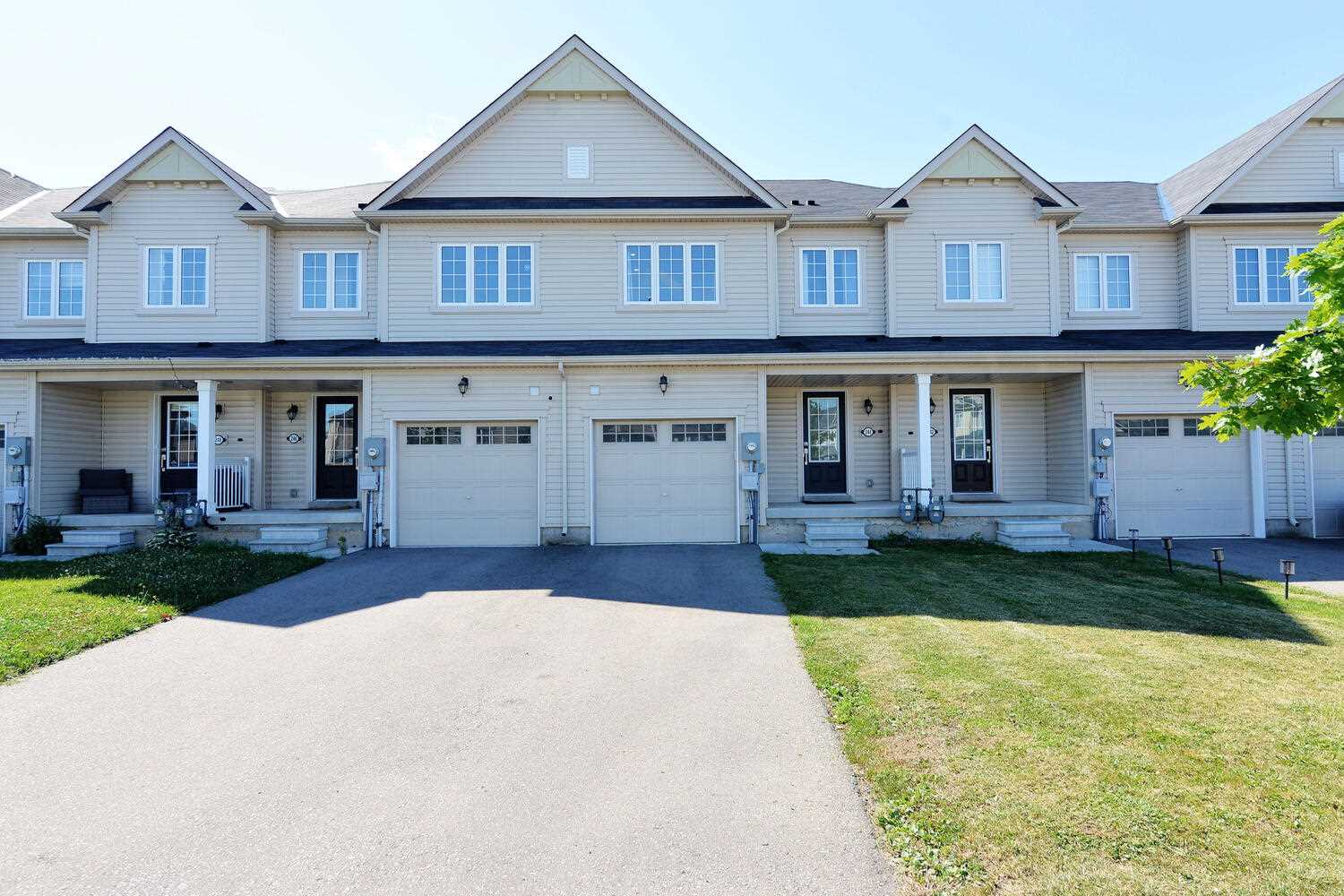
If you're waiting for the Canadian housing market to suddenly explode back into a seller's market, you may be waiting for the wrong signal.
The more likely scenario is a slow, uneven housing recovery beginning to take shape — with some markets improving before others, buyers gradually returning, and prices stabilizing before meaningful price growth resumes.
And for Ontario, especially Toronto, the GTA, Barrie and Simcoe County, the recovery may take longer.
But there are already some signs worth watching.
The Housing Market Isn't “Dead” — It's Resetting
The Canadian housing market has spent much of 2025 and 2026 dealing with a combination of:
- High borrowing costs
- Economic uncertainty
- Slower population growth
- Affordability problems
- Elevated inventory
- Weak investor confidence
- Buyers waiting for better prices
- Sellers adjusting their expectations
According to CMHC's latest 2026 outlook, Canadian housing activity is expected to remain weak in the near term, with home prices declining in 2026 before returning to modest growth in 2027 and 2028. CMHC also expects sales to gradually recover, although activity is expected to remain below historical averages.
In other words:
The recovery isn't necessarily cancelled. It's being delayed.
5 Signs That a Housing Recovery Could Be Coming
1. Mortgage affordability has already improved
One of the biggest obstacles for buyers has been borrowing power.
The Bank of Canada currently has its overnight rate at 2.25%, after holding it steady in September 2026.
But here's the problem: inflation has moved back toward 3%, and the Bank has warned that further rate increases could become necessary if inflation remains too high.
That means buyers shouldn't assume that falling rates are guaranteed from here.
However, compared with the peak-rate environment of previous years, borrowing conditions have become less restrictive.
That has helped improve purchasing power for some households.
2. Canadian housing inventory is becoming more balanced
This is one of the most important signals.
CREA reported that at the end of July 2026:
205,388 properties were listed for sale across Canadian MLS® Systems.
That's only 0.6% higher than a year earlier and just 1.5% above the long-term average for that time of year.
National inventory was 4.7 months, the lowest level recorded so far in 2026.
CREA considers roughly 45%–65% sales-to-new-listings consistent with balanced conditions, and July's national ratio was 51.3%.
That's a major change from the extreme imbalance seen in some markets during the downturn.
What does this mean?
The market doesn't need prices to skyrocket for recovery to begin.
A recovery can start with:
More buyers + fewer listings + shorter selling times + improving confidence.
Prices can remain relatively flat while the market quietly gets healthier.
3. Ontario is showing signs of stabilization — but don't call it a boom
Ontario remains one of Canada's more challenging housing markets.
According to CREA's Ontario data, July 2026 recorded:
- 16,276 home sales
- Sales down 1.3% year-over-year
- Ontario benchmark price: $749,800
- Benchmark price down 3.9% year-over-year
- Active listings: 73,890
- Active listings down 5.1% year-over-year
- 4.5 months of inventory
- Average resale price: $797,486
So what's the takeaway?
Prices are still under pressure — but supply is also tightening.
That's exactly the kind of environment where a future recovery can begin.
4. GTA buyers are still cautious
The GTA is a different story.
After showing signs of improving activity, GTA home sales fell in August 2026 for the first time in six months.
Trade uncertainty and concerns about potentially higher borrowing costs caused some buyers to postpone purchases.
This tells us something important:
Buyers are interested.
But they're still extremely sensitive to:
Mortgage rates + employment + economic confidence + price.
That's why the GTA recovery could be slower than many people expect.
And this creates an interesting opportunity for buyers who are financially prepared.
5. Pent-up demand hasn't disappeared
Here's the wildcard.
There are thousands of Canadians who didn't buy during the previous boom because they simply couldn't afford it.
Some have been waiting for:
- Lower prices
- Lower mortgage rates
- Better inventory
- More negotiating power
- Improved income
- More certainty about the economy
CMHC expects improving economic conditions and income growth to gradually bring more buyers back into the market in 2027 and 2028.
So the question isn't whether demand exists.
The question is when that demand gets unlocked.
What About Barrie and Simcoe County?
This is where the story gets particularly interesting.
Barrie isn't Toronto.
And Simcoe County isn't the GTA.
Local conditions can move very differently.
Recent Barrie data shows the market is still firmly buyer-friendly.
For August 2026, Barrie recorded approximately:
937 active listings
161 sold listings
6 months of inventory
$645,000 median sold price
42 average days on market
That represents a market where buyers still have negotiating power.
Another August dataset puts Barrie's average sold price at approximately $664,522, with 163 residential sales and an average of 37 days on market. About 87% of homes sold below asking price.
That's a very different environment from the frenzy many buyers remember.
But there is another interesting signal.
Earlier 2026 Simcoe County data showed sales improving while listings were declining.
For July, Simcoe County recorded:
739 sales — up 5.7% year-over-year
2,100 new listings — down 14.6%
4,498 active listings — down 6.0%
Average price — $744,131
Benchmark price — $789,400
39 days on market
That's worth watching.
If inventory continues falling while sales stabilize or increase, the negotiating balance can change surprisingly quickly.
So… Is a Housing Recovery Coming Soon?
My answer:
A recovery is likely coming — but I wouldn't call it a boom.
The more realistic scenario is:
Phase 1 — 2026
Stabilization
Prices stop falling as quickly.
Inventory gradually normalizes.
Some buyers return.
Negotiations remain common.
Phase 2 — 2027
Demand recovery
Employment and consumer confidence improve.
More sidelined buyers enter the market.
Sales increase.
Inventory begins tightening.
Phase 3 — 2027–2028
Moderate price growth
CMHC expects housing conditions to improve gradually during this period, while CREA's current forecast calls for Canadian home sales to increase 3.7% in 2027 and the national average home price to rise about 1.1%.
That doesn't sound like another 2021-style boom.
And honestly?
That's probably healthier.
The Biggest Mistake Buyers Can Make
Waiting for the headline:
“THE HOUSING MARKET HAS RECOVERED!”
By the time that headline becomes obvious, the best negotiating opportunities may already be gone.
Real estate markets don't recover overnight.
They usually move through stages:
Confidence -> sales -> inventory tightening -> competition -> prices.
Prices are often the last thing to visibly move.
That's why smart buyers should watch sales, inventory, days on market and mortgage affordability, rather than simply asking:
“Are prices going up yet?”
What Should Buyers Do in 2026?
If you're financially ready, this market can offer something buyers haven't had in years:
Choice.
You may have:
- More listings to compare
- More time to think
- Inspection opportunities
- Financing conditions
- Negotiating power
- Potential seller concessions
- Less pressure from bidding wars
But don't confuse a buyer's market with a market where every property is automatically a bargain.
The right price still depends on the specific neighbourhood, property type and comparable sales.
What Should Sellers Do?
The recovery doesn't mean you can simply put your house on the market at yesterday's price.
In a buyer-friendly market:
Pricing strategy matters.
So does:
- Presentation
- Photography
- Staging
- Repairs
- Online marketing
- Showing availability
- Negotiation strategy
A home that is correctly positioned can still sell.
An overpriced home can sit.
And every extra day on the market can make buyers wonder:
“What's wrong with it?”
The Bottom Line
The Canadian housing market may not be heading toward a dramatic comeback tomorrow.
But there are encouraging signs.
Inventory is becoming more balanced nationally.
Ontario's supply has tightened.
Mortgage affordability has improved from the worst of the rate cycle.
Pent-up buyer demand remains.
And forecasts from major housing organizations point toward gradual improvement rather than a permanent downturn.
For Barrie and Simcoe County, the market still gives buyers considerable negotiating power — but declining inventory and improving sales are signals worth watching closely.
The real opportunity may not be when everyone agrees the recovery has arrived.
It may be just before they do.
If you're thinking about buying or selling in Barrie, Angus, Essa, Innisfil, Simcoe County or the GTA, don't rely on national headlines. Your neighbourhood can tell a very different story.
Want to know what the recovery looks like specifically for your neighbourhood and price range? Get a local market analysis before making your next move.
#HousingMarket2026 #HousingRecovery #RealEstateTrends #HousingMarketUpdate #MarketForecast #RealEstateAdvice #HomeBuyingTips #SellingYourHome #FirstTimeHomeBuyer #SmartInvesting #PropertyInvestment #RealEstate #HousingMarket #FinancialFreedom #RealEstateLife