Hidden Risks of Buying Pre-Construction Condos in the GTA & Barrie in 2026
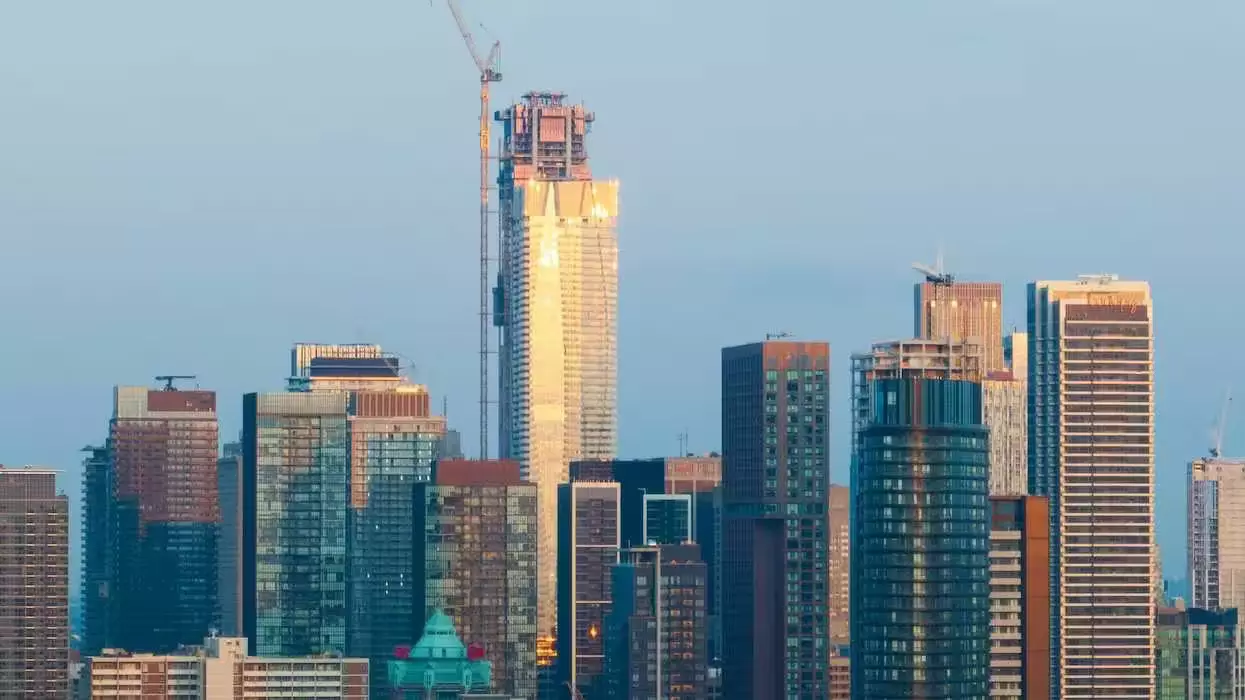
Hidden Risks of Buying Pre-Construction Condos in the GTA & Barrie
For years, pre-construction condos in the Greater Toronto Area (GTA) and Barrie were marketed as “guaranteed equity growth.” Buyers lined up overnight, investors flipped assignments for six-figure profits, and developers kept launching tower after tower.
But in 2026, the reality looks very different.
Across Toronto, Vaughan, Mississauga, Barrie, and other commuter markets, buyers are discovering that pre-construction condos come with risks most sales centers never fully explain. Projects are getting cancelled, closings are delayed for years, appraisals are coming in lower than purchase prices, and many investors are struggling to close.
The market hasn’t collapsed — but it has reset.
And that reset is exposing the hidden risks many buyers ignored during the boom years.
1. Project Cancellations Are Rising Fast
One of the biggest myths in real estate is that once you buy pre-construction, the building is guaranteed to happen.
It’s not.
In fact, GTA condo cancellations hit record levels recently. According to industry data, 28 condo projects totaling over 7,200 units were cancelled in 2025 alone — more than double the previous year.
Most buyers assume their deposit is “safe” because it’s held in trust. Technically that’s true. But what many don’t realize is:
- Your money can be tied up for years
- You lose potential appreciation elsewhere
- Construction inflation may make replacement properties far more expensive later
Some GTA buyers who signed contracts in 2021–2022 are now receiving cancellation notices in 2025–2026 after waiting years for projects that never broke ground.
In Barrie and outer-GTA commuter towns, smaller developers face even greater financing pressure because pre-sale targets are harder to hit.
2. Appraisal Shortfalls Are Crushing Buyers
This is becoming one of the most painful surprises in today’s market.
Here’s how it works:
You agree to buy a condo in 2021 for $850,000.
The building finally closes in 2026.
But the bank appraises the unit at only $700,000.
That means the bank finances the lower value — not your contract price.
So suddenly, the buyer must come up with an additional $150,000 cash difference just to close.
Many investors never prepared for this possibility.
Online discussions across GTA real estate communities are now filled with stories of buyers facing six-figure appraisal gaps and potential lawsuits from developers if they fail to close.
This risk became severe because many pre-construction condos were sold at peak-pandemic prices while resale condo prices later softened.
3. Delays Can Destroy Your Financial Plans
Most buyers underestimate how common delays are.
A project originally expected to complete in 2025 may not close until 2027 or even later.
Industry experts now report delays of 12–36 months beyond original occupancy dates are increasingly common in Ontario.
Why does this matter?
Because your entire financial plan can change during that period:
- Mortgage rates may rise
- Your income situation may change
- Lending rules could tighten
- Rental markets could weaken
- Life circumstances may shift
Many GTA buyers locked into ultra-low-rate expectations years ago but are now facing dramatically different borrowing costs.
In Barrie, some buyers who expected rapid appreciation are instead seeing slower growth and increased inventory competition.
4. Hidden Closing Costs Shock Many Buyers
Sales centers often focus heavily on monthly deposit structures while minimizing discussion around closing costs.
But final closing adjustments can become massive.
Common hidden costs include:
- Development charges
- Utility hook-up fees
- Tarion enrollment fees
- Education levies
- HST adjustments
- Occupancy fees
- Legal fees
Some GTA buyers report receiving unexpected adjustments tens of thousands higher than anticipated.
For first-time buyers already stretching financially, these surprises can become devastating.
5. Assignment Sales Are No Longer Easy
During the boom years, many investors planned to “flip” their condo before final closing through assignment sales.
That strategy worked when prices kept rising rapidly.
Today?
The assignment market is much weaker.
Industry reports show increasing assignment inventory across the GTA as investors attempt to exit deals they no longer want or cannot afford.
The problem is simple:
- Buyers now have more options
- Resale condos are often cheaper
- Investors are competing against each other
- Financing conditions are tighter
In many cases, assignment sellers are accepting losses just to avoid closing risks.
6. Investor Demand Has Fallen Sharply
For over a decade, investors fueled the condo market.
But investor confidence has weakened significantly.
Recent estimates suggest roughly 70% of pre-construction condo buyers between 2020–2023 were investors.
Now many are realizing:
- Rents don’t fully cover carrying costs
- Appreciation is no longer guaranteed
- Interest rates remain elevated compared to the pandemic era
- Condo fees and taxes continue rising
Some Reddit users describe the current market as the weakest pre-construction environment they’ve ever seen.
This matters because condo markets heavily depend on investor activity to maintain momentum.
7. Barrie Buyers Face Different — But Real — Risks
Barrie became one of Ontario’s hottest commuter markets during the remote-work boom.
Developers rushed to launch projects targeting GTA buyers seeking affordability outside Toronto.
But Barrie’s condo market carries its own risks:
Smaller Investor Pool
Unlike downtown Toronto, Barrie has fewer high-volume condo investors supporting resale demand.
Slower Rental Absorption
While Barrie rents remain strong, the rental market is smaller and less liquid than Toronto’s.
Commuter Uncertainty
As hybrid work policies evolve, some buyers are reconsidering long-distance commuting lifestyles.
Higher Volatility
Smaller markets often experience sharper price swings during economic slowdowns.
This doesn’t mean Barrie is a bad investment. It means buyers must be far more selective about location, builder quality, and long-term demand.
8. Developers Are Changing Their Strategy
A major shift is happening in Ontario real estate.
Instead of launching traditional investor-focused condo towers, many developers are:
- Pausing projects
- Switching to purpose-built rentals
- Redesigning buildings for end-users
- Reducing tower launches altogether
Some analysts now warn that today’s slowdown could eventually create a future housing shortage because construction starts have collapsed.
Ironically, today’s weak market may create tomorrow’s supply crunch.
So… Should You Avoid Pre-Construction Condos Completely?
Not necessarily.
There are still opportunities in the GTA and Barrie — especially with strong developers, realistic pricing, and long-term ownership strategies.
But buyers in 2026 need to approach pre-construction with far more caution than during the pandemic boom.
The biggest mistake buyers make is assuming:
- prices always rise,
- delays are minor,
- assignments are easy,
- and developers always complete projects on time.
That mindset worked in a hyper-growth market.
Today’s market requires deeper due diligence.
Smart Questions Every Buyer Should Ask Before Buying Pre-Construction
Before signing any agreement, ask:
- Does the builder have a strong completion history?
- Is the pricing realistic compared to resale condos nearby?
- Could you still close if the appraisal comes in lower?
- Can you afford higher interest rates later?
- What are the capped closing costs?
- What happens if occupancy gets delayed by 2 years?
- Are you buying for lifestyle or speculation?
If you can answer those confidently, pre-construction may still work for you.
If not, resale properties may offer less risk and greater certainty in today’s market.
#TorontoRealEstate #BarrieRealEstate #PreConstructionCondos #GTAHousing #TorontoCondos #OntarioRealEstate #CondoInvestment #HousingMarket2026 #RealEstateCanada #BarrieCondos #TorontoInvesting #CondosForSale #CanadianHousing #GTAInvestors #FirstTimeHomeBuyer